
Pick a group
A place to land, a voice to trust, a season to meet
Choose the question that draws your attention: making home more supportive, listening to your judgment, or meeting a transition with steadier boundaries and fresh feeling.
· AI-assisted readings from randomly drawn cards. For reflection and entertainment.
Take a breath. Pick the group that draws you in.
Group 1
Group 1
Home and belonging
What would make my sense of home feel more supportive?
01Where you are

Three of Swords
Upright
The upright Three of Swords in Where you are gives real hurt a place in this reading. A sense of home may be affected by a separation, a painful exchange or the loss of an arrangement that once felt dependable. The card's meaning is sharper than everyday irritation, but it does not tell us that a betrayal occurred. If this does not fit your circumstances, consider whether an older disappointment is shaping what you now expect from belonging.
A familiar room can be comfortable in practical ways and still carry a painful absence. You might be managing meals and chores while avoiding the chair where a difficult conversation happened, or feeling unsettled after moving away from people who understood you. Naming the specific hurt can separate the emotional need from the sweeping conclusion that nowhere will feel like home again.
Write one uncomfortable fact in a plain sentence, then name the feelings it brings up without treating them as proof of someone else's intentions. You can share this with a trusted person or give it quiet time first. The useful boundary is permission to decide what you want understood and what you are not ready to discuss. Honesty need not become repeated exposure to a conversation that leaves you more hurt.
02What needs attention

Knight of Cups
Upright
The upright Knight of Cups in What needs attention brings feeling into action through a considerate invitation. After the Three of Swords, this is a delicate movement: a supportive home may need a small expression of care that another person can actually recognize. Wanting warmth is understandable, but silently hoping someone will guess its exact form can leave both people uncertain.
You might invite a housemate to share tea without discussing logistics, ask a distant friend for a regular call, or propose an evening when shared space is quieter. Explain the feeling behind the request in a simple way. An invitation is most respectful when the other person can decline or suggest a different pace; the card's romantic idealism becomes more useful when it makes room for ordinary schedules and limits.
Its blind spot is trying to create a beautiful atmosphere that skips over the hurt. A thoughtful meal cannot substitute for acknowledging an unresolved boundary, and an enthusiastic invitation does not promise reconciliation. Choose a gesture that fits the relationship as it presently exists. If direct contact would feel inappropriate or unwelcome, express care through your own surroundings or a connection that already feels reciprocal.
03A small next step
Four of Cups
Reversed
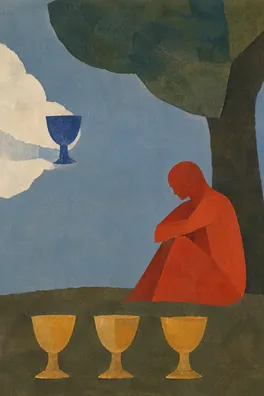
The reversed Four of Cups in A small next step suggests a gradual return from withdrawal toward interest. The reversal emphasizes noticing an opening again, rather than requiring immediate sociability. After hurt and a heartfelt invitation, the next movement may be modest: returning to a familiar activity, sitting in a shared room for a little while, or accepting a manageable offer of company.
Pick up one thing you had set aside because home felt emotionally flat. It might be preparing a breakfast you enjoy or tending a corner where you like to read. Notice your actual experience instead of demanding that it restore belonging immediately. A small increase in curiosity is meaningful even if sadness is still present; reengagement does not require erasing what happened.
There is also a difference between opening up and overriding your limits. If an activity feels too exposing, reduce its duration or choose a gentler version. If you feel little change, that is information about the fit of this step, not a failure of willingness. Let renewed attention help you discover what is supportive rather than using it to force gratitude for an arrangement that still needs adjustment.
These cards describe belonging as a process that can hold pain and movement at the same time. The Three of Swords asks for an honest account of the wound; the Knight of Cups turns a need into a clear invitation; the reversed Four of Cups allows contact with life to resume in a size you can tolerate. Their sequence does not promise that a particular relationship will be repaired. It offers a way to make your needs more visible while preserving choice.
One tension runs through the group: the wish for closeness can become a wish to return everything to its previous form. A more supportive home may instead require a changed routine, a clearer boundary or connections outside the household. If the central problem is practical, such as too little privacy or an unpredictable schedule, an emotional gesture alone will not solve it. Use the feeling to identify the concrete condition that needs discussion.
Over the coming week, try one act of acknowledgment, one low-pressure invitation and one small return to an activity you miss. They can happen on different days. At the end of the week, notice whether you feel more able to rest or express a need, rather than scoring how warmly anyone responded. Adjust the experiment if you are doing all the emotional work alone. What would make belonging feel more mutual, and what part of that can you name clearly now?
A question to take with you
What hurt needs acknowledgment, and what small form of connection would respect both my needs and my boundaries?
Group 2
Group 2
Trusting yourself
What can help me listen to my own judgment?
01Where you are
Ten of Wands
Upright
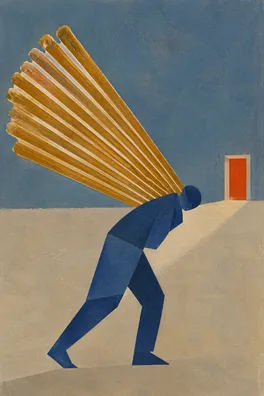
The upright Ten of Wands in Where you are suggests judgment being crowded by responsibility. You may be capable and committed yet carrying so many tasks that every decision feels like another demand. The card's burden is often connected to work that matters or to success that brought additional expectations. Difficulty hearing your own view may therefore say something about available space, rather than a lack of insight.
Imagine being asked what you want while mentally tracking unfinished work, family arrangements and someone else's deadline. The quickest answer can be whatever keeps everything moving, even if it does not reflect your preference. Over time, that pattern can make the default choice feel like your true choice. Naming the load helps distinguish obligation from desire.
List the responsibilities surrounding one decision and mark which genuinely require you. Move, postpone or renegotiate one that does not. If a task cannot be removed, see whether its scope or timing can change. The blind spot is assuming all discomfort comes from overload: sometimes a decision remains difficult because values conflict. A little space will not make every answer obvious, but it can make the real conflict easier to hear.
02What needs attention

Death
Upright
Upright Death in What needs attention points to an ending of form and the change that follows. Here it asks whether self-trust is being measured by loyalty to an identity that has outlived its usefulness: the person who always agrees, finishes every project, or never revises a commitment. This is symbolic language about endings and transformation, not a prediction of physical death or an instruction to make a dramatic break.
You might recognize an old undertaking that no longer serves its purpose, yet continue because stopping would seem to invalidate the effort already spent. That sunk effort cannot decide what is useful now. There may still be something valuable to retain, such as a skill, a relationship or a principle, while the arrangement that once carried it needs to end.
Close one clearly bounded old matter before attempting to reinvent your life. Archive a completed project, communicate a realistic end date, or stop renewing a small obligation that no longer fits. Give yourself room to feel the loss of familiarity. An alternative is that the commitment remains valuable and only its method needs to change; ask what is ending precisely, so the card's force does not become permission to abandon what still matters.
03A small next step
Page of Wands
Upright
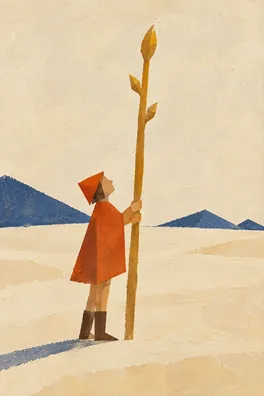
The upright Page of Wands in A small next step makes self-trust an experiment in curiosity. This Page is enthusiastic and inexperienced, so the invitation is to learn through a modest attempt rather than wait until you feel fully authoritative. After the burden and the ending, a little creative energy can help you discover a preference that was difficult to hear under obligation.
Try an unfamiliar approach to a decision with manageable consequences. Sketch two possible routines, take an introductory class, or spend a short session exploring an idea before asking for everyone's opinion. Record what surprises you and what you would willingly return to. Your response to the experience is evidence about your interests; it does not have to become a permanent identity.
Enthusiasm can also create a fresh burden if every spark becomes a promise. Set a limit on time or scope and leave room to stop. If the experiment disappoints you, ask whether the idea, the setting or your current capacity was the poor fit. Trust grows when you can revise an attempt without turning it into a verdict on your competence.
The Ten of Wands, Death and the Page of Wands move from carrying too much, through releasing an old form, toward beginner's curiosity. Their shared message is that your own judgment may need conditions in which it can become audible. More pressure to find a perfect answer could add to the very load that is obscuring it.
The cards also challenge one another. Death brings decisiveness, while the Page keeps the new direction provisional. Together they suggest closing a specific chapter without pretending that its replacement is already fully known. The Ten of Wands reminds you to account for practical responsibilities during that change. Sometimes the right ending is a role or expectation, not an entire relationship, job or project.
For a week, choose one small decision and protect a little space around it. Remove one unnecessary task, name one outdated expectation, and try one limited alternative. Write your preference before collecting advice, then use other people's knowledge to examine it rather than erase it. If the experiment adds strain, reduce its size; if your preference changes with experience, record why. What do you learn about your judgment when changing your mind is allowed to count as learning?
A question to take with you
Which old responsibility or identity makes my own preference hardest to hear, and what small experiment could give it room?
Group 3
Group 3
A change of season
How can I meet a transition with more steadiness?
01Where you are
Five of Wands
Reversed
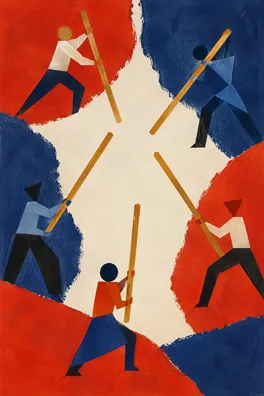
The reversed Five of Wands in Where you are suggests a change in how conflict is being held. A contest may be easing, a compromise may be possible, or you may have stepped away from a struggle that was consuming too much attention. Yet the reversal can also mean disagreement has gone quiet without being resolved. The absence of argument is worth noticing, but its meaning depends on what has changed underneath.
During a transition, people can stop debating simply because everyone is tired or the schedule has become urgent. You might feel relieved that a family plan is finally moving forward while still being unsure who agreed to which responsibility. Alternatively, a smaller disagreement may genuinely no longer matter as priorities shift. Steadiness begins by distinguishing those situations instead of reopening every old dispute.
Turn one recurring argument into a concrete question that can be answered together, such as who will handle a particular task during the change. Keep the discussion narrow enough to be useful. The blind spot is using the wish for peace to silence your own concern; the opposite blind spot is assuming that all calm conceals resentment. Look for clear agreements and follow-through before deciding which interpretation fits.
02What needs attention
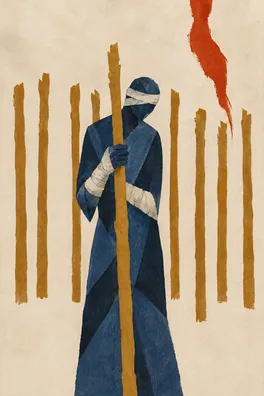
Nine of Wands
Reversed
The reversed Nine of Wands in What needs attention brings exhaustion and changing defenses into focus. You may have been bracing for difficulty so long that a new season feels like another test to survive. The reversal can describe isolation created by a hardened guard, or the beginning of letting trusted support through. Neither reading requires you to become less discerning about your boundaries.
An old disappointment can make a present offer of help feel risky, especially if accepting it means admitting how tired you are. Notice the difference between a boundary that protects something specific and a rule that leaves you carrying everything alone. Saying exactly what you need may be more protective than either refusing all help or accepting an arrangement you do not understand.
Tell a trusted person what you have been preparing for alone, and ask for one practical suggestion or a limited piece of assistance. If their response does not fit, you can negotiate or decline. The card's warning is not that persistence is wrong; it is that persistence without recovery can narrow your choices. Rest may be part of a workable transition, while a genuinely demanding circumstance may also require changing the plan.
03A small next step

Page of Cups
Upright
The upright Page of Cups in A small next step offers a tender new feeling, a simple message or an unexpected imaginative opening. In this position, sensitivity becomes a way to notice what the transition needs now. After quieter conflict and tired defenses, your next useful signal may be small: interest in a new place, sadness about a familiar routine, or affection you have not expressed.
Give that feeling a form before asking it to explain the entire season. Write a short note, make a sketch, or say one plain sentence to someone you trust. For example, you can acknowledge that you are looking forward to a change and will also miss part of what is ending. Mixed feelings can make your needs more precise without making the decision itself mistaken.
The Page's openness has limits. A sudden inspiration is an invitation to explore, not proof that another person shares your feeling or that an idea will work. Keep the expression gentle and allow a response to arrive in its own time. If nothing new seems to surface, start with a quiet sensory detail from the day; attention can be an adequate beginning without manufacturing a meaningful revelation.
This group holds a useful distinction between less visible conflict and deeper steadiness. The reversed Five of Wands asks whether peace has a practical foundation. The reversed Nine of Wands asks what maintaining your defenses is costing you. The Page of Cups offers a softer way to participate in change without requiring you to ignore either question.
Together they suggest that transition becomes more manageable when agreements, energy and feeling are considered together. A clear plan may still be too exhausting; a kind exchange may still leave responsibilities uncertain. If the tension is mostly an old protective habit, a small opening could help. If current expectations are genuinely unrealistic, changing those expectations may matter more than trying to feel more optimistic.
For the coming week, clarify one practical agreement, request one bounded form of support, and give one newly noticed feeling a simple expression. Leave some space between these steps so you can notice their effects. Review whether there is less guessing, less solitary bracing or more freedom to speak honestly. If the process becomes another performance of coping well, simplify it and choose the most useful step. What would steadiness look like if you did not have to prove that this transition was easy?
A question to take with you
Where would a clearer agreement, a little support or a newly named feeling make this change easier to inhabit?