
Pick a group
Small beginnings, honest choices
Three gentle prompts for new starts, everyday courage, and a more supportive sense of home.
· AI-assisted readings from randomly drawn cards. For reflection and entertainment.
Take a breath. Pick the group that draws you in.
Group 1
Group 1
A fresh start
What is ready for a new beginning in my life?
01Where you are

The Lovers
Upright
The upright Lovers points to connection, shared values, and choices that reveal what matters. As the present starting point, it suggests that a new beginning may be tied to an important relationship, commitment, or decision rather than simply a burst of enthusiasm. Its emphasis on mutuality invites honesty about what each person values, while leaving room for a choice that is yours alone.
For instance, if you are considering joining a project with someone, you might talk through what each of you hopes to contribute before agreeing to a timeline. That conversation could reveal alignment or a difference that deserves attention; the card does not decide the outcome for you.
Name one value you want this beginning to honor, and ask whether your choices reflect it. Try to understand the commitments involved before promising more than you can offer. What matters enough that you want it to shape this choice?
02What needs attention

Ace of Pentacles
Reversed
Reversed, the Ace of Pentacles calls attention to delay, limited resources, or a beginning whose foundation is not yet ready to carry its expectations. In the place of what needs attention, it asks you to look beyond an appealing possibility and notice what practical conditions may be missing. A pause here need not mean failure; it may be useful information about timing, support, or scope.
If you are thinking about a course, a move, or a personal project, for example, you could list the time and materials it would require and compare that with what is actually available this month. The point is not to discourage the idea, but to make its first step sustainable.
Choose one condition to clarify before committing, such as a realistic schedule or a needed conversation. Be wary of treating excitement as proof that the groundwork is done. What would make this opportunity feel solid enough to begin?
03A small next step
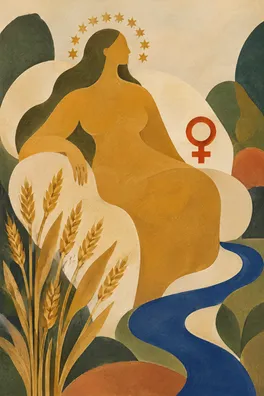
The Empress
Upright
The upright Empress brings warmth, creativity, nurture, and the patient growth of something that needs care. As a small next step, it shifts the focus from forcing a fresh start to tending what can grow: a relationship, a creative effort, or the conditions that help you feel supported. This is abundance in a grounded sense, not a promise that everything will flourish without effort.
If you have been considering a new routine, you might prepare one small resource in advance: clear a little space, gather what you need, or invite a supportive person into the plan. A modest act of care can make a beginning easier to return to, even if progress is uneven.
Try to notice what already has life in it and what kind of attention it needs, rather than adding more commitments automatically. Leave room for rest and adjustment. What could you nurture this week without demanding an immediate result?
The Lovers begins with values and honest choice, the reversed Ace of Pentacles asks whether the practical ground can support the hope, and the Empress offers care as a way to help something grow. Together, they suggest that a fresh start can be both heartfelt and practical: connection or conviction may inspire it, but resources and steady attention help shape its first form. No single card decides whether this is the right moment; the useful question is what kind of beginning is possible with the conditions you have.
There is a gentle tension between waiting for a stronger foundation and letting an idea develop through trying. Too much haste can place expectations on a beginning that is not ready, while too much preparation can keep a meaningful choice permanently just out of reach. An alternative reading is that the opportunity is not a large new commitment at all, but a small act of honesty or care that makes an existing connection or project feel renewed.
For the coming week, choose one modest experiment: name the value you want to honor, identify one practical condition, and take a low-cost step that tends the idea without locking you into a larger promise. At week’s end, notice whether the step brought clarity, energy, or useful caution. What kind of beginning could you support with the time and care you genuinely have?
A question to take with you
Which value would you most like a new beginning to honor?
Group 2
Group 2
Everyday courage
What might a gentle act of courage look like today?
01Where you are

Six of Wands
Upright
The upright Six of Wands speaks of visible effort, recognition, and support. As the present starting point for courage, it suggests you may be able to acknowledge progress that is already apparent, whether or not it receives public praise. Courage here need not mean taking center stage; it can mean allowing a small success to count and noticing the help that made it possible.
For example, if you have completed a difficult task, you might record what you did and thank someone who contributed. That could make progress easier to see without turning recognition into a measure of your worth. The card’s message is encouragement, not a guarantee of applause.
Try naming one step forward in plain language, then decide what you want to carry into the next effort. This helps keep attention on your own reasons as well as other people’s responses. How will you recognize progress if nobody else happens to notice it?
02What needs attention
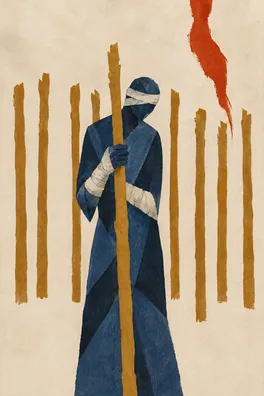
Nine of Wands
Upright
The upright Nine of Wands represents resilience after strain, along with the watchfulness that experience can bring. In the place of what needs attention, it asks you to respect both your persistence and your limits. Continuing may matter, but guarding yourself so closely that no help can enter may add unnecessary weight. Past difficulty can teach you without having to dictate how every new situation will go.
If you are approaching a demanding conversation or task, for instance, you could set a stopping point, plan a short break, and decide whom you might ask for practical support. This does not assume you are overwhelmed; it simply makes perseverance less dependent on pushing through alone.
Choose a manageable amount of effort and check in with yourself before extending it. Notice whether caution is protecting something important or automatically expecting another setback. What support would let you keep going without treating exhaustion as proof of courage?
03A small next step

Death
Reversed
Reversed, Death points to resistance around an ending or a change that has become difficult to complete. As the small next step, it suggests that courage might mean making a modest transition rather than demanding a dramatic break. Familiar arrangements can still matter, even when they no longer fit well; acknowledging that complexity can make a goodbye or handover more humane.
If you have been keeping an old commitment by default, you might identify one part that could be concluded, simplified, or passed on. A small conversation or a clear end date can be a first step, provided it is safe and appropriate for your circumstances. There is no need to invent urgency where none exists.
Try choosing one manageable change and give yourself room to feel mixed about it. Be alert to postponing indefinitely just because the next phase is unfamiliar, while also avoiding a rushed ending. What could you release or reshape in a way that feels considered?
The Six of Wands recognizes effort that can be seen, the Nine of Wands honors persistence while asking for care, and reversed Death brings attention to a transition that may be hard to finish. Together, they frame everyday courage as more than pushing forward: it can include accepting support, acknowledging progress, and deciding whether an old arrangement still deserves your energy. The sequence offers encouragement without making recognition or change compulsory; your circumstances determine what a small, responsible step looks like.
One tension is that resilience can become a reason to keep enduring something simply because you have endured it before. On the other hand, a wish for relief can make a change seem simpler or more urgent than it is. The Six of Wands may suggest celebrating progress before moving on, while the other cards ask whether the work is sustainable and whether an ending is overdue. Either interpretation could matter, depending on what you are facing.
For the coming week, try a brief check-in after one demanding task: note what went well, what it cost you, and whether continuing or changing course would serve you better. If useful, make one small request for help or plan a deliberate handover, rather than deciding everything at once. Let the experiment inform you, not obligate you. What would courage look like if it included both persistence and permission to change?
A question to take with you
What form of support could make one difficult step more sustainable?
Group 3
Group 3
Home and belonging
What would make my sense of home feel more supportive?
01Where you are
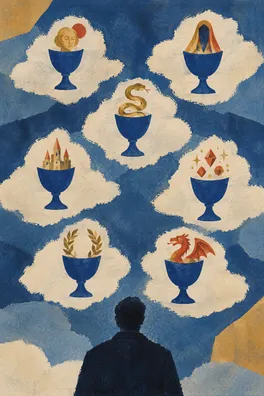
Seven of Cups
Reversed
Reversed, the Seven of Cups can mark a shift from imagining many possibilities toward sorting them, or the uneasy moment when an ideal becomes less convincing. As the present situation, it invites you to notice what you actually know about your needs for home and belonging, rather than filling gaps with assumptions. Clarity may arrive as a narrowing of choices, but uncertainty is also possible; neither needs to be mistaken for a final answer.
If you are considering a change to your living space or a shared routine, you might list what makes you feel settled and compare the options against those needs. This is a practical way to make imagination useful without requiring you to decide everything immediately.
Set aside one option that clearly misses a core need, if such an option exists, and keep the rest open for review. Avoid inventing certainty where you do not yet have it. What do you already know about the kind of support you want from home?
02What needs attention

Queen of Swords
Reversed
Reversed, the Queen of Swords warns that sharp judgment, old resentment, or defensive speech can make a need harder to hear. In the place of what needs attention, it asks you to consider how truth is being expressed: directness can protect a boundary, but contempt or assumptions may shut down the conversation. This is an invitation to examine your own words, not a claim about another person’s motives.
For example, if a household arrangement is bothering you, you could describe the observable issue and make a specific request rather than assigning blame. “The shared area is often left cluttered; could we agree on a time to clear it?” is more workable than a judgment about someone’s character.
Before a difficult conversation, try separating the present need from an older hurt that may be coloring it. Keep your boundary clear while leaving room for a response. How could you say what matters without making the other person feel reduced to a mistake?
03A small next step

The Fool
Reversed
Reversed, the Fool points to a need to balance openness with preparation. It can suggest reluctance to begin because the unknown feels risky, or the opposite: moving ahead without checking what is needed. As a small next step toward a more supportive home, it recommends a limited experiment with a clear boundary, rather than either a leap made in haste or waiting for impossible certainty.
If you are thinking of changing a routine or trying a new way to use your space, you might test it for a few days and decide in advance what would make you stop or adjust. The example is only a possibility; choose something that suits your actual circumstances and feels safe.
Make a short checklist of what you need to prepare and one sign that the experiment is not working. This can protect curiosity as well as caution. What small, reversible step would help you learn more about what feels like home?
The reversed Seven of Cups asks for clearer distinctions among possibilities, the reversed Queen of Swords brings attention to how needs are communicated, and the reversed Fool balances readiness with caution. Together, they suggest that belonging may be supported by seeing a situation more plainly, speaking about it without turning frustration into a verdict, and testing a change at a manageable scale. The cards do not presume that a particular home or relationship is the problem; they offer ways to explore what support means in your own setting.
There is a tension between wanting clarity and allowing a conversation to remain open. Narrowing options can reduce confusion, but deciding too quickly may overlook a need you have not yet named. Likewise, direct speech can make a request understandable, while harshness can make repair harder; preparation can help, but excessive caution can keep a useful experiment from starting. The alternative may be to begin with observation rather than a decision, especially when important details remain unknown.
For the coming week, choose one small, reversible experiment connected to home or belonging. State one need as an observable fact and a request, or adjust one routine and see how it feels after a few days. Keep a simple note of what helps and what does not, then decide whether to continue, revise, or stop. What would you like to learn about belonging before you make a bigger change?
A question to take with you
What small change could help you learn what makes a place feel supportive?